When selecting a home defense handgun, the decision involves more than just picking a firearm off the shelf. You need to evaluate several critical factors to ensure you make an informed choice that aligns with your personal needs and level of expertise. Below are six essential tips to guide you through this important decision.
1. Consider Your Experience Level
Your familiarity with firearms plays a pivotal role in choosing the right handgun. Beginners may benefit from simpler options like revolvers due to their ease of use and reliability, whereas more experienced users might prefer semi-automatic pistols for their faster firing capability and larger magazine capacity.
Key considerations based on experience: – Beginner-friendly options: Revolvers (less mechanical complexity, no manual safety required). – Experienced shooters: Semi-automatics (higher capacity, faster reloads).
2. Prioritize Comfort and Fit
The handgun should fit comfortably in your hand for better control and accuracy. Ergonomics can significantly impact your ability to handle the firearm effectively during high-pressure situations.
Things to check for comfort: – Grip size: Does it fit securely in your hand? – Weight: Is it manageable for extended periods? – Controls placement: Are the safety, slide release, and magazine release easy to reach?
3. Evaluate Caliber Options
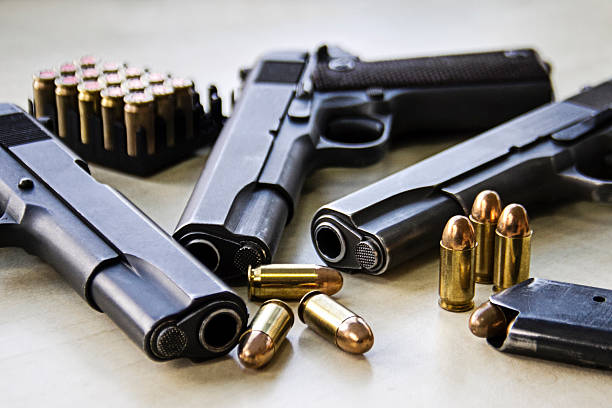
The caliber determines stopping power, recoil, and ease of use. Selecting the appropriate caliber depends on balancing defensive effectiveness with how well you can handle recoil.
| Caliber | Recoil Level | Suitability |
| .22 LR | Low | Best for beginners or practice |
| 9mm | Moderate | Popular choice for home defense |
| .45 ACP | High | Effective but requires skill |
4. Focus on Reliability
A home defense handgun must perform flawlessly when needed most. Research firearms with reputations for reliability by reading reviews or seeking recommendations from reputable sources.
Some widely trusted brands include: – Glock – Smith & Wesson – Sig Sauer – Ruger
Testing multiple models at a range can also help assess their performance before buying.
5. Decide Between Revolver or Semi-Automatic
Revolver Pros: – Simple operation. – Minimal maintenance.
Semi-Automatic Pros: – Higher ammo capacity. – Faster reload times.
Take time to weigh these options against your needs.
6. Test Before You Buy
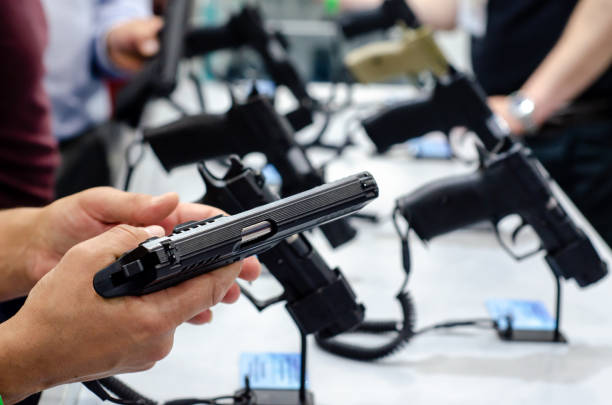
Before committing to a purchase, visit a shooting range that allows rentals so you can test various models first-hand. This ensures the firearm feels right in terms of weight, balance, recoil management, and ease of operation.
Consider these factors while testing: 1. Accuracy during shooting drills. 2. Ease of reloading under pressure. 3. Comfort after repeated rounds fired.
Selecting the perfect home defense handgun is an investment in safety that requires careful thought—and these six tips provide a strong foundation for making an informed choice tailored to your specific needs and circumstances.
Essential Reasons to Visit a Gun Shop Michigan for Home Defense Handguns
When it comes to ensuring the safety of your home and loved ones, owning a reliable home defense handgun can provide peace of mind and a sense of preparedness. A dependable handgun can be an essential tool for protecting against potential threats, but it also brings with it additional advantages that extend beyond basic security. Below are some key benefits associated with having a trustworthy firearm for home defense.
Finding a Trusted Gun Dealer in Michigan for Enhanced Safety
A well-chosen home defense handgun offers an extra layer of protection in emergency situations. In cases where immediate help from law enforcement is unavailable, having a firearm allows you to respond quickly to intruders or other threats. Key advantages include:
– Quick response time: A readily accessible handgun enables self-defense during time-sensitive situations.
– Deterrent effect: The presence of a firearm often discourages criminal activity before any confrontation occurs. – Ability to neutralize threats: In worst-case scenarios, you are equipped with the means to protect your loved ones effectively.
Find Peace of Mind at the Best Gun Store Michigan Has to Offer
Owning a reliable weapon can provide the emotional reassurance that you have taken proactive steps to safeguard your household. This confidence ensures you’re prepared in circumstances that require immediate action: – Knowing the right tools are available reduces feelings of vulnerability. – Comfort is derived from being prepared for unforeseen events.
Tips for Those Looking to Buy Guns Michigan Residents Should Know
Becoming a responsible gun owner often involves commitment to safety training and education. This effort not only improves your ability to use your handgun effectively but also cultivates important values such as responsibility, discipline, and respect for firearms: – Knowledgeable handling: Using proper techniques reduces risks associated with accidents or misuse. – Awareness of surroundings: Gun ownership fosters greater situational awareness within the home environment.
Potential Reduction in Emergency Response Wait Times
In critical situations, waiting for law enforcement or emergency personnel may not always be feasible due to response times or external factors such as geographic location. By owning a reliable handgun: – You reduce dependency on delayed external assistance. – You gain control over immediate response measures during emergencies.
| Situation | Average Police Response Time (U.S.) | Immediate Action Capability with Handgun |
| Home intrusion | 10 minutes | Immediate |
| Property theft | 9 minutes | Immediate |
| Violent crime incident | Up to 11 minutes | Immediate |
Note: Response times vary by region.
Empowerment Through Training
A significant aspect of owning a home defense handgun is engaging in regular training sessions. Proper training empowers gun owners with confidence in their skills and abilities: 1. Practice builds muscle memory for accurate handling during high-stress events. 2. Familiarity reduces hesitation when split-second decisions are required. 3. Advanced courses (e.g., tactical training) enhance overall preparedness.
Economic Value Over Time
While purchasing a high-quality home defense handgun involves an upfront cost, it’s important to consider its long-term value: – Durable firearms retain functionality over years when properly maintained. – Owning one eliminates recurring expenses (e.g., monthly security system fees) related solely to physical deterrence.
By understanding these key benefits and approaching firearm ownership responsibly, individuals can make informed decisions about whether owning a reliable handgun aligns with their specific needs for protecting their homes and families.
Revolver vs. Semi-Automatic Pistol: Making the Right Choice for Your Needs
Selecting between a revolver and a semi-automatic pistol is one of the most critical decisions you’ll make when purchasing a handgun. Each type has unique advantages and limitations, which should align with your specific needs, level of experience, and intended use. Below is an in-depth look at some of the key factors to consider when deciding between the two options.
Understanding Revolvers
Revolvers are often praised for their simplicity and reliability. These firearms use a rotating cylinder to hold cartridges and are known for their straightforward operation.
Advantages of Revolvers: – Ease of Use: Revolvers generally have fewer moving parts than semi-automatic pistols, making them easier to operate. – Reliability: They are less prone to jamming since they do not rely on magazine-fed ammunition. – Low Maintenance: Cleaning and maintaining a revolver is relatively straightforward compared to semi-automatics. – Suitability for Beginners: The simplicity makes them an excellent choice for first-time gun owners.
Disadvantages of Revolvers: – Limited Capacity: Most revolvers hold 5-6 rounds, which may be insufficient in certain situations. – Slower Reloading Time: Without speed loaders or moon clips, reloading can be time-consuming. – Heavier Trigger Pull: Some models feature a heavier trigger pull in double-action mode, which may affect accuracy for less experienced shooters.
Exploring Semi-Automatic Pistols
Semi-automatic pistols have become increasingly popular due to their higher ammunition capacity and faster reloading mechanisms. These firearms utilize magazines to feed cartridges into the chamber automatically after each shot.
Advantages of Semi-Automatic Pistols: – Higher Capacity: Many models can hold 10+ rounds in a single magazine, offering an advantage during extended engagements. – Faster Reloading: Reloading involves simply swapping out magazines, which can be done quickly with practice. – Customizability: Modern pistols often allow for the addition of accessories like lights, lasers, or red-dot sights. – Ergonomics: Pistols typically provide more grip options and better weight distribution compared to revolvers.
Disadvantages of Semi-Automatic Pistols: – Complexity in Operation: Semi-autos require understanding slide manipulation, safeties (if present), magazine loading/unloading, and potential malfunctions like failure-to-feed or stovepiping. – Maintenance Requirements: Regular cleaning is necessary as carbon buildup can affect reliability over time. – Potential Malfunctions Under Stress Conditions: Limp-wristing (improper grip) or dirt/debris can lead to stoppages if not handled properly.
Key Factors to Consider
| Factor | Revolver | Semi-Automatic Pistol |
| Ease of Use | Simple operation | More complex; requires training |
| Ammunition Capacity | Typically 5–6 rounds | 10+ rounds depending on model |
| Reliability | Extremely reliable | Reliant on proper handling/cleaning |
| Reload Speed | Slower | Faster |
| Maintenance | Low maintenance | Requires regular cleaning |
Which Should You Choose?
- If you prioritize simplicity, reliability under all conditions, and minimal maintenance requirements – especially as a beginner – a revolver could be the better option.
- If you prefer higher capacity, faster reload times, or customizable features that enhance usability during home defense or range practice sessions, then a semi-auto might suit your needs more effectively.
Taking time to weigh these factors against your skill level and intended use will help ensure that you choose the firearm that aligns best with your goals.
Revolver vs. Semi-Automatic Pistol: Making the Right Choice for Your Needs
When selecting a handgun for self-defense, one of the most common debates is whether to choose a revolver or a semi-automatic pistol. Both options have their distinct advantages and limitations, and understanding these differences can help you make an informed decision based on your specific needs and circumstances.
Advantages of Revolvers
- Ease of Use: Revolvers typically have fewer moving parts than semi-automatic pistols, making them easier to operate and maintain.
- Reliability: They are less prone to jamming since they do not rely on a magazine or slide mechanism.
- Low Maintenance: Revolvers require less frequent cleaning compared to semi-automatics due to their simple design.
- Versatility in Ammunition: Many revolvers can handle a wider variety of ammunition types without affecting performance.
| Feature | Advantage |
| Operation | Simple trigger pull; no need for racking the slide or disengaging safeties |
| Maintenance | Minimal; fewer moving parts mean easier cleaning |
| Reliability | Highly reliable; not affected by magazine or feeding issues |
Advantages of Semi-Automatic Pistols
- Higher Capacity: Most semi-autos can carry more rounds in a single magazine compared to the limited capacity of revolvers (typically 5–6 rounds).
- Faster Reloading: By using magazines, semi-autos allow quicker reload times than loading individual chambers in revolvers.
- Compact Design Options: Semi-autos often come in slimmer profiles suitable for concealed carry.
- Accessory Compatibility: Many models have rails for attaching lights, lasers, or other accessories.
| Feature | Advantage |
| Magazine Capacity | Higher round count allows more shots before reloading |
| Reload Speed | Quick swap of pre-loaded magazines ensures faster readiness |
| Customization | More options available for customization (e.g., optics, grips) |
Factors to Consider When Choosing
- Beginners might appreciate the simplicity and reliability of revolvers.
- More experienced shooters may prefer semi-autos due to their higher capacity and advanced capabilities.
- For home defense with minimal maintenance needs, consider a revolver.
- If you plan on concealed carrying or prioritize quick follow-up shots, opt for a lightweight semi-auto.
- Individuals with reduced hand strength may find it difficult to rack the slide on certain semi-autos. Revolvers eliminate this problem with no slide mechanism.
- Semi-autos tend to offer more models at affordable price points compared to quality revolvers.
Summary Table: Comparing Key Features
| Criteria | Revolver | Semi-Automatic Pistol |
| Ease of Use | Very user-friendly | Requires familiarity with operation |
| Maintenance | Low | Moderate |
| Capacity | Typically 5–6 rounds | Typically 10+ rounds |
| Reload Speed | Slower | Faster |
| Customization Options | Limited | Extensive |
Both handguns serve distinct purposes, but understanding their strengths will help you identify which one suits your specific preferences best. Always handle both types if possible before committing so you feel confident in your decision.
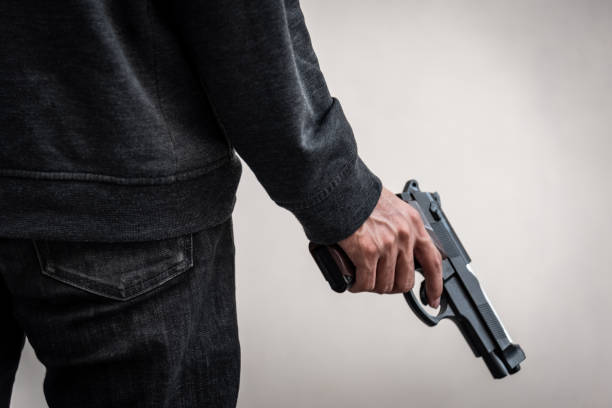
How to Choose the Right Caliber for Your Home Defense Handgun
Selecting the appropriate caliber for your home defense handgun is a critical decision that impacts performance, safety, and usability. Different calibers offer unique advantages and disadvantages, so understanding their characteristics can help you make an informed choice. Below is a detailed guide to assist you in selecting the right caliber for your needs.
Factors to Consider When Choosing a Caliber
- Recoil affects accuracy, especially for first-time or less experienced shooters.
- Smaller calibers like .22 LR or .380 ACP have lighter recoil, making them easier to control.
- Larger calibers like .45 ACP or 10mm generate more force and require greater handling skills.
- Stopping power refers to a cartridge’s ability to incapacitate an intruder effectively.
- 9mm: A balance of manageable recoil and good stopping power.
- .40 S&W: Offers more stopping power than 9mm but with slightly higher recoil.
- .45 ACP: Known for strong stopping power with moderate velocity.
- Opt for calibers widely available in local stores or online retailers.
- Popular choices like 9mm are typically affordable and easy to find.
- For home defense, bullets should penetrate enough to stop a threat without endangering others nearby.
- Hollow-point ammunition reduces the risk of overpenetration by expanding upon impact.
Comparison Table: Common Handgun Calibers
| Caliber | Recoil Level | Stopping Power | Cost Per Round | Suitability for Home Defense |
| .22 LR | Very Low | Low | Low | Limited |
| .380 ACP | Low | Moderate | Moderate | Good |
| 9mm | Moderate | High | Affordable | Excellent |
| .40 S&W | Moderate-High | High | Moderately High | Good |
| .45 ACP | High | Very High | Higher Cost | Excellent |
Pros and Cons of Popular Calibers
- Pros: Affordable, manageable recoil, sufficient stopping power.
- Cons: May lack power compared to larger calibers in some scenarios.
- Pros: Stronger stopping power than 9mm; still manageable recoil.
- Cons: Slightly more expensive and harder on smaller-framed shooters.
- Pros: Superior stopping power; trusted by law enforcement professionals.
- Cons: Heavier recoil; larger size may reduce magazine capacity.
Matching Caliber with Personal Needs
- Assess your comfort level with handling firearms—particularly recoil sensitivity.
- Consider the layout of your home (e.g., walls, hallways) when evaluating penetration risks.
- Balance budget constraints with functionality, choosing ammunition that fits both financial and safety requirements.
Choosing the right caliber can significantly enhance your ability to defend yourself effectively while maintaining control in high-pressure situations. Always test multiple options at the range before committing to any specific caliber or firearm model.
Helpful Accessories Every Gun Owner Should Consider for Their Handgun
1. Holsters for Safe Carrying
A high-quality holster is a must-have for any handgun owner. It provides safe storage and allows for easy access when needed.
- Material Options: Leather, Kydex, or nylon are popular choices.
- Types of Holsters:
- Inside-the-Waistband (IWB) holsters
- Outside-the-Waistband (OWB) holsters
- Shoulder holsters
- Appendix carry holsters
- Considerations:
- Ensure a snug fit for your model of handgun.
- Choose one that balances comfort and concealment.
2. Gun Safes and Storage Solutions
Proper storage is crucial to prevent unauthorized access and ensure firearm safety at home.
| Type of Safe | Features | Ideal Use Case |
| Biometric Gun Safes | Uses fingerprint recognition | Fast access in emergencies |
| Combination Lock Safes | Requires inputting a code | Standard home storage |
| Portable Gun Cases | Compact and easy to transport | Traveling with firearms |
3. Optics and Sights
Upgrading your handgun’s sights can improve accuracy, particularly under low-light conditions.
- Types of Sights:
- Night sights: Glow-in-the-dark features make them ideal for night use.
- Reflex or red dot sights: Enhance target acquisition speed.
- Benefits:
- Increased precision.
- Better performance under various lighting conditions.
4. Extra Magazines
It’s always wise to have spare magazines on hand during practice sessions or self-defense scenarios. Look for magazines that are compatible with your specific firearm model and consider magazine holders for easier transport.
5. Cleaning Kits
- Cleaning rod or bore snake.
- Patches and brushes for removing residue.
- High-quality gun oil to prevent rusting.
6. Tactical Flashlights
A tactical flashlight mounted on or used alongside your handgun can be invaluable in dark settings where visibility is limited.
- Mounting Options:
- Rail-mounted flashlights.
- Handheld tactical flashlights.
- Key Features:
- High lumens output (200+ recommended).
- Durable build material (aluminum preferred).
7. Hearing Protection
Whether practicing at an indoor range or outdoors, hearing protection is non-negotiable due to the high decibel levels produced by firearms.
- Options include earplugs, earmuffs, or electronic hearing protection devices that allow normal conversation while blocking harmful noise levels.
Summary Table of Accessories
| Accessory | Purpose |
| Holster | Safe carrying and quick access |
| Safe | Secure storage |
| Sights | Enhanced aiming accuracy |
| Spare Magazines | Convenience during practice or emergencies |
| Cleaning Kit | Proper maintenance |
| Flashlight | Better visibility in dark environments |
| Hearing Protection | Prevent hearing damage |
Investing in these helpful accessories ensures that you not only operate your firearm safely but also maximize its performance across different scenarios. Always prioritize quality when selecting any add-ons to ensure compatibility with your specific handgun model as well as dependable outcomes over time.
Why Testing a Handgun Before Purchase is Crucial for New Buyers
Purchasing a handgun, particularly for new buyers, is not a decision to take lightly. Proper research and understanding of firearm features are important, but testing the handgun before making the final purchase is an essential step in ensuring that the firearm meets your specific needs. Below are some key reasons why testing a handgun is critical and how it can help you make an informed decision.
Ensuring Comfort and Ergonomics
Every individual has unique hand sizes, grip preferences, and levels of comfort with different firearms. Testing allows you to evaluate:
– Grip Fit: Does the handgun sit comfortably in your hand? Is the grip too large or too small?
– Weight: Can you handle the handgun’s weight during prolonged use without strain?
– Ergonomic Design: Are the controls (e.g., safety switch, magazine release) easy to access?
A firearm may look good on paper or online, but personal comfort can only be determined by holding and using it.
Assessing Recoil Management
Different handguns behave differently when fired due to variations in caliber, size, and design. Testing lets you experience how manageable the recoil feels for you.
– For smaller calibers like .22 LR or 9mm, recoil may feel light and easier to control for new shooters.
– Larger calibers like .45 ACP or .357 Magnum might provide more stopping power but could be harder to handle without experience.
Testing ensures that you can manage recoil effectively without compromising accuracy or safety during use.
Evaluating Accuracy and Trigger Feel
Precision shooting requires familiarity with how a gun’s trigger responds. When testing a handgun at a range:
– Practice firing multiple shots to observe trigger pull resistance (light vs. heavy).
– Evaluate trigger reset distance and whether it feels smooth or clunky during repeated firing cycles.
Some triggers are designed with beginners in mind, while others cater more toward experienced marksmen—testing helps clarify which works best for your skill level.
Identifying Potential Malfunctions or Build Quality Issues
When testing a firearm under controlled conditions at a range:
– Test loading magazines, chambering rounds, and ejecting spent casings to ensure smooth operation. – Be watchful for consistent malfunctions such as failure-to-feed (FTF) issues or misfires. – Check build quality indicators like slide functionality and whether components feel durable enough for long-term use.
Testing ensures that any potential problems are identified before committing financially.
Comparing Models Side-by-Side
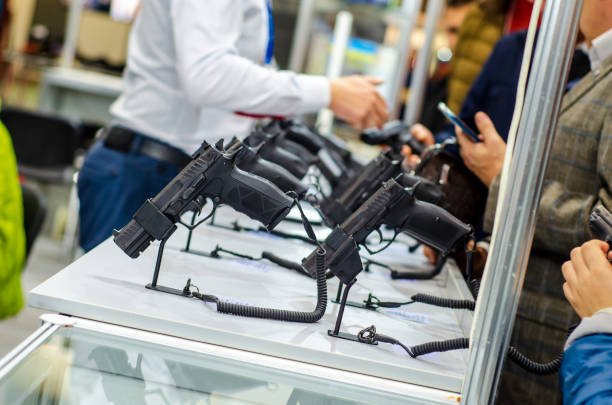
Most gun stores with ranges allow customers to test multiple models from various manufacturers (e.g., Glock vs. Smith & Wesson). This provides opportunity to:
| Feature | Model A (e.g., Glock 19) | Model B (e.g., Sig Sauer P320) |
|———————–|—————————–|———————————-|
| Grip Comfort | Comfortable | Slightly Large |
| Recoil Manageability | Moderate | Light |
| Trigger Sensitivity | Smooth | Heavy Reset |
Having firsthand experience comparing features side-by-side builds confidence that you’re selecting what feels right for you.
Reducing Buyer’s Remorse
The cost of purchasing firearms can be significant. By thoroughly testing beforehand: 1. You minimize chances of dissatisfaction later. 2. You confirm compatibility between yourself & chosen model aligns expectations correctly.
For first-time buyers investing both into personal security responsibly via thorough pre-purchase evaluation helps prevent costly mistakes down road.
- Finding the Best Gunsmith Near Me: A Beginner’s Guide for First-Time Gun Owners
- Top 6 Essential Tips for Finding the Best Gunsmith Near Me for Your Home Defense Handgun
- Finding the Best Firearm for Home Defense at a Gun Shop Michigan
- The Ultimate Checklist for First-Time Gun Owners at a Gun Store in Michigan
- Discover the Top 5 Firearms Every Responsible Gun Owner Should Have from a Gun Shop in Michigan
- Essential Tips for First-Time Buyers from a Trusted Gun Dealer Michigan
- Finding a Reliable Gunsmith Near Me: Tips for Responsible Gun Ownership and Safety